By Dale Ervin
October 29, 2026
In contemporary home design, outdoor dining areas have become an increasingly popular combination of functionality, comfort, and style. Homeowners are transforming traditional decks into inviting extensions of their living spaces, creating dedicated areas for meals, relaxation, and entertainment. These additions provide opportunities to enjoy fresh air while making everyday activities more enjoyable.
Outdoor dining spaces also reflect changing homeowner priorities. According to the 2026 U.S. Houzz Outdoor Trends Study, 55% of homeowners renovating their outdoor spaces included dedicated dining areas. This growing interest demonstrates the importance of creating versatile environments that accommodate both daily routines and special occasions. Professional deck designers help homeowners incorporate these features into layouts that balance visual appeal, practicality, and long-term durability.
Increasing Property Value Through Outdoor Dining Spaces
Outdoor dining areas can improve a property's marketability by providing functional features that appeal to prospective buyers. Many homeowners appreciate outdoor spaces that accommodate entertaining, family gatherings, and relaxation without requiring extensive renovations. A thoughtfully designed dining area can distinguish a property from comparable homes.
Although financial returns depend on location, construction quality, and market conditions, attractive outdoor improvements may strengthen a home's overall appeal. Comfortable seating arrangements, durable decking materials, and cohesive landscaping contribute to a welcoming environment. These features help potential buyers envision how they might enjoy the property.
Creating Comfortable Spaces for Social Gatherings
One of the primary advantages of outdoor dining areas is their ability to accommodate social gatherings. Whether hosting birthday celebrations, holiday dinners, or casual weekend meals, homeowners benefit from having a dedicated entertainment space. Outdoor settings provide a relaxed atmosphere that encourages conversation and meaningful connections.
Experienced deck designers can incorporate spacious seating arrangements, convenient pathways, and designated serving areas to support different gathering sizes. Built-in benches and flexible furniture arrangements maximize available space while maintaining comfort. Thoughtful layouts also prevent overcrowding and allow guests to move freely between dining and relaxation areas.
Outdoor dining spaces are particularly useful when indoor entertaining areas have limited seating. By extending gatherings beyond the home's interior, homeowners can welcome additional guests while maintaining an inviting atmosphere.
Enhancing Everyday Family Dining Experiences
Outdoor dining areas are not exclusively intended for special occasions. They can transform ordinary breakfasts, lunches, and dinners into enjoyable experiences surrounded by natural scenery. Families may appreciate opportunities to disconnect from electronic devices and spend meaningful time together.
Convenient access to the kitchen makes outdoor meals easier to organize. Sliding doors, nearby preparation counters, and accessible serving surfaces reduce unnecessary trips between indoor and outdoor areas. Comfortable furniture and appropriate lighting further encourage regular use.
These practical improvements help outdoor dining areas become natural extensions of everyday household routines rather than spaces reserved exclusively for entertaining guests.
Strengthening Connections With Nature
Spending time outdoors offers opportunities for relaxation, fresh air, and appreciation of natural surroundings. Outdoor dining areas encourage homeowners to enjoy their gardens, landscaping, and changing seasonal scenery. Even brief meals outside can provide a refreshing change from indoor routines.
Incorporating greenery, natural textures, and comfortable seating enhances this connection. Professional deck designers may recommend integrated planters, decorative privacy screens, and layouts that preserve attractive landscape views. These elements create an inviting environment without sacrificing functionality.
Natural surroundings can also contribute to a calming atmosphere. Gentle breezes, birdsong, and changing daylight conditions provide sensory experiences that make outdoor meals more memorable. Thoughtful placement helps homeowners enjoy these benefits while maintaining adequate privacy.
Incorporating Modern Design and Architectural Features
Modern outdoor dining spaces frequently incorporate design elements that complement the home's existing architecture. Coordinated materials, complementary colors, and consistent structural details create a seamless transition between interior and exterior environments.
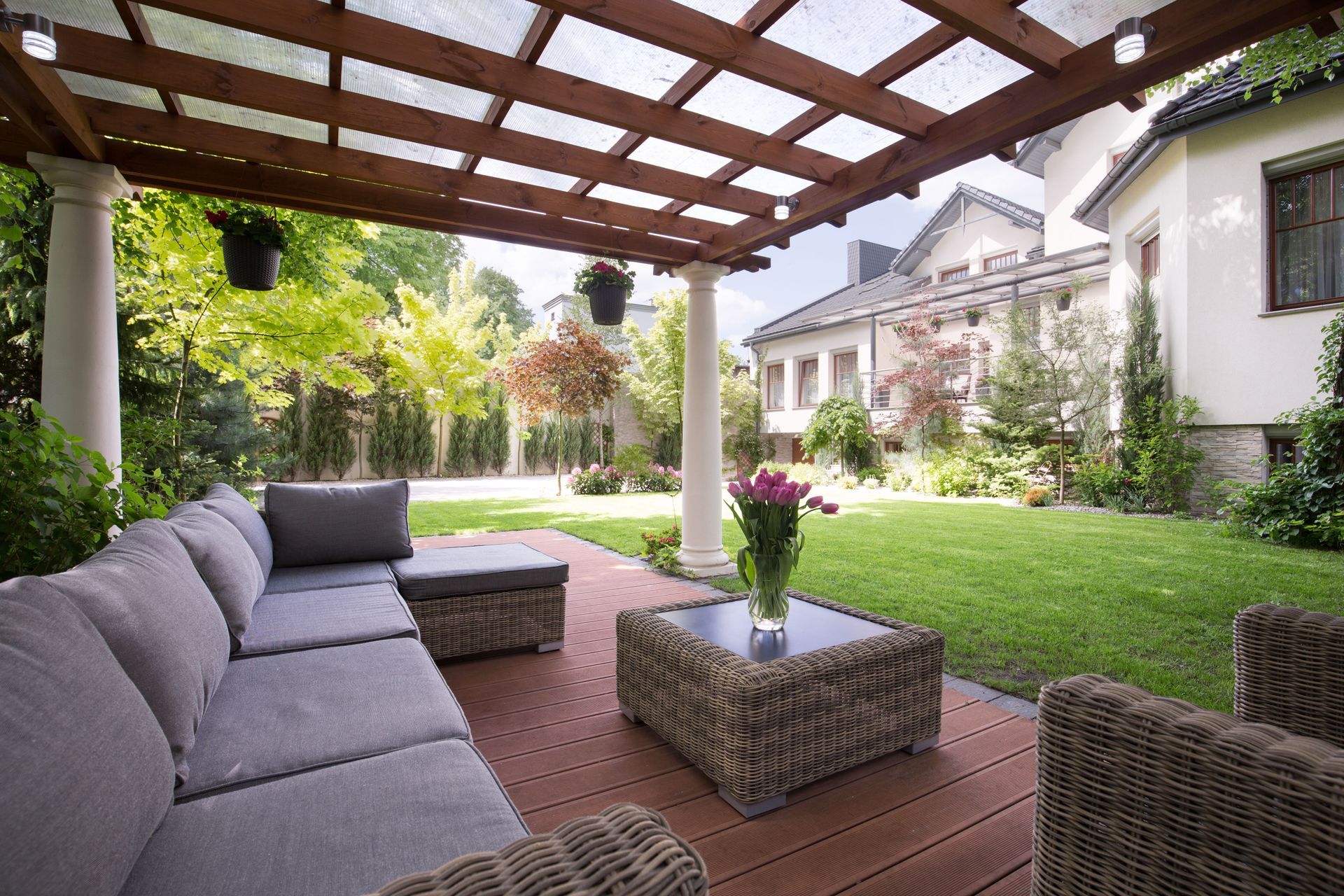
Popular additions include pergolas, integrated lighting, built-in seating, and outdoor preparation stations. These features enhance functionality while establishing a cohesive appearance. Modular furniture also allows homeowners to rearrange dining areas according to different activities and entertainment needs.
Skilled deck designers evaluate available dimensions, architectural characteristics, and homeowner preferences before recommending suitable configurations. Customization ensures that outdoor dining areas reflect individual tastes while supporting practical requirements. Careful planning also helps prevent unnecessary congestion around furniture and entryways.
Adapting Outdoor Dining Areas to Different Seasons
Seasonal adaptability is an important consideration when developing comfortable outdoor dining environments. Weather conditions influence furniture selection, protective structures, and the overall arrangement of the space. Proper planning helps homeowners extend outdoor enjoyment beyond warm summer afternoons.
Pergolas, retractable awnings, and shade sails provide relief from direct sunlight. In cooler weather, suitable outdoor heating equipment and weather-resistant furnishings can improve comfort. Protective covers also help preserve furniture during periods of limited use.
Professional deck designers consider regional weather patterns when recommending materials and features. Wind exposure, precipitation, sunlight, and temperature fluctuations can affect long-term performance. Designing around these conditions supports durability and makes outdoor dining areas more practical throughout the year.
Selecting Durable and Low-Maintenance Materials
Material selection plays a significant role in the longevity and appearance of outdoor dining spaces. Decking surfaces must withstand regular foot traffic, furniture movement, moisture exposure, and changing temperatures. Choosing appropriate products reduces maintenance demands and helps preserve structural performance.
Composite decking, properly maintained pressure-treated lumber, and naturally durable wood species offer different advantages depending on budget and design preferences. Weather-resistant furniture and corrosion-resistant hardware provide additional protection against environmental wear.
Homeowners should also consider cleaning requirements, stain resistance, and surface temperatures when comparing materials. Experienced deck designers can explain available options and recommend solutions that balance appearance, maintenance expectations, and anticipated use. Routine inspections and appropriate cleaning remain essential regardless of the selected material.
Improving Safety and Accessibility for Everyone
Safety is essential when designing outdoor dining areas intended for frequent gatherings. Adequate lighting, secure railings where required, and slip-resistant walking surfaces help reduce common hazards. Furniture arrangements should maintain clear pathways between entrances, dining tables, and surrounding deck features.
Accessibility is equally important for households welcoming guests with different mobility needs. Wider circulation areas, appropriate transitions, and accessible seating arrangements can make outdoor spaces easier to navigate. Additional lighting near stairs and changes in elevation improves visibility during evening gatherings.
Qualified deck designers can also evaluate structural requirements, including anticipated loads from furniture, occupants, and additional amenities. Following applicable building codes and obtaining necessary permits helps support safe construction and dependable long-term use.
Maximizing Space With Multifunctional Layouts
Outdoor dining areas can accommodate activities beyond traditional meals. With adaptable furniture and thoughtful organization, these spaces may serve as temporary workstations, reading areas, or locations for hobbies and family activities. This versatility is especially valuable for properties with limited outdoor square footage.
Built-in storage benches, folding tables, and movable seating help maximize usable space. Dividing larger decks into dining and lounging zones creates distinct functional areas without requiring physical barriers. Strategic furniture placement also maintains convenient access to doors, stairs, and outdoor amenities.
Multifunctional designs allow homeowners to adjust their outdoor environments as household needs change. A dining area used for family meals today might accommodate celebrations, quiet relaxation, or recreational activities in the future.
Incorporating an outdoor dining area into a deck offers benefits that extend beyond visual appearance. These spaces support entertaining, strengthen family connections, encourage outdoor enjoyment, and expand a home's functional living environment. With thoughtful design and quality construction, an outdoor dining area can become a welcoming destination that homeowners appreciate for years to come. Contact our team at Custom Decks today and learn more about our deck designing services.